All Categories
Featured
Table of Contents
, and see how filing tax obligations can be simplified.
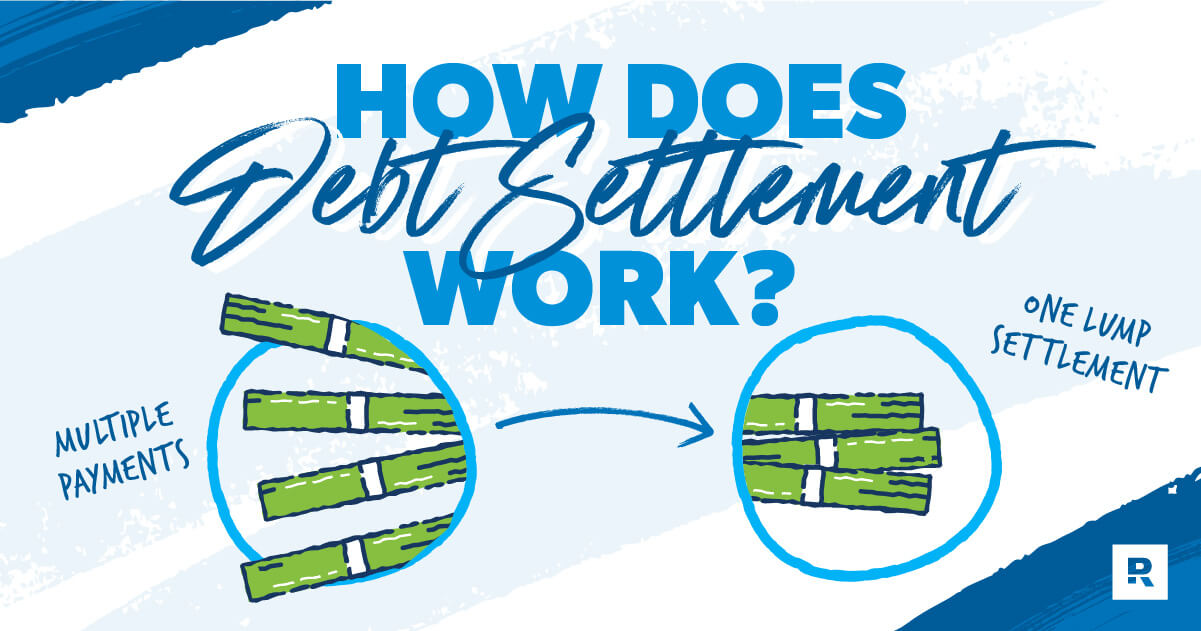
While you can discuss with lenders on your own, it's frequently a difficult and time-consuming process, particularly if you need to fix a large quantity of financial debt across a number of accounts. The procedure needs a solid understanding of your financial resources and the financial institution's terms in addition to confidence and persistence. Consequently, there are financial debt alleviation companies also referred to as debt negotiation firms that can take care of the settlements for you.
People that register in the red relief programs have, usually, about $28,000 of unsafe financial obligation across virtually 7 accounts, according to an evaluation commissioned by the American Association for Financial Obligation Resolution, which looked at clients of 10 major financial debt alleviation business between 2011 and 2020. Regarding three-quarters of those customers had at least one debt account effectively resolved, with the regular enrollee working out 3.8 accounts and even more than fifty percent of their enlisted financial obligation.
The Buzz on "Sudden Inheritance or Lump-Sum Payouts: Avoiding New Debt When a Windfall Arrives Is a Failure" Debunked
It prevails for your credit report to fall when you initially start the debt alleviation process, specifically if you stop making settlements to your creditors. As each financial debt is resolved, your credit rating ought to begin to rebound. Make sure you understand the complete expenses and the impact on your credit when assessing if financial obligation settlement is the right selection.
As discussed above, there are choices to debt negotiation that might be a much better suitable for your financial scenario. Here's a fast breakdown of just how each choice functions: Debt consolidation allows you combine several debts right into one by taking out a new financing to repay your present financial obligations. This technique transforms numerous financial obligations right into a solitary regular monthly repayment and typically supplies a reduced rate of interest, streamlining your financial resources and potentially conserving you cash with time.
All about What to Watch For When Selecting a Sudden Inheritance or Lump-Sum Payouts: Avoiding New Debt When a Windfall Arrives Provider
Here's exactly how each one works: Financial obligation debt consolidation car loans: These are personal car loans that you can use to resolve your existing financial obligations, leaving you with just one monthly expense, normally at a lower interest rate. Equilibrium transfer bank card: This involves relocating your existing credit report card equilibriums to a new credit card that offers a lower rate of interest price or a marketing 0% APR for a set duration.
As soon as the duration ends, rates of interest will be considerably high usually over 20%. Home equity car loans or HELOCs (home equity lines of credit history): These finances allow you to borrow versus the equity in your home. You get a round figure or a credit line that can be used to pay off debts, and you commonly gain from lower rate of interest rates contrasted to unprotected lendings.
These strategies have a number of benefits, such as simplifying your repayments by consolidating numerous into one and potentially decreasing your rates of interest. They commonly come with an arrangement fee varying from $30 to $50, and a month-to-month upkeep charge of around $20 to $75, depending on the company you work with.
Whichever your circumstance is, take into consideration speaking with a certified credit therapist, an insolvency attorney, or a licensed debt consultant prior to progressing. They can help you obtain a full understanding of your financial resources and alternatives so you're far better prepared to make choices. An additional variable that influences your choices is the sort of debt you have.
The Greatest Guide To Your Protection
Kevin Briggs was an effective property owner with a six-figure income, but after a year of pandemic difficulties, he discovered himself in 2021 with $45,000 in credit history card financial debt."Much less than 3 years later, Briggs had actually removed his credit score card financial obligation, thanks to that rescue a brand-new not-for-profit financial debt alleviation program from InCharge Debt Solutions called "Debt Card Debt Mercy."Credit Report Card Debt Mercy, likewise recognized as the Less Than Complete Equilibrium program, is financial obligation relief for people that have not been able to make credit score card repayments for six months and lenders have charged off their accounts, or are about to.
)
The catch is that nonprofit Bank card Debt Mercy isn't for every person. To qualify, you need to not have actually made a settlement on your debt card account, or accounts, for 120-180 days. Additionally, not all financial institutions participate, and it's just provided by a couple of not-for-profit credit counseling companies. InCharge Debt Solutions is one of them.
Unknown Facts About "Bankruptcy Is Embarrassing" and More Falsehoods
The Credit History Card Forgiveness Program is for individuals who are so much behind on credit scores card settlements that they are in serious economic difficulty, perhaps dealing with bankruptcy, and do not have the revenue to capture up."The program is particularly designed to help clients whose accounts have been billed off," Mostafa Imakhchachen, customer care professional at InCharge Debt Solutions, said.
Creditors that take part have actually agreed with the nonprofit debt therapy firm to accept 50%-60% of what is owed in fixed monthly repayments over 36 months. The fixed repayments indicate you understand precisely just how much you'll pay over the payment period. No rate of interest is billed on the balances during the payoff duration, so the settlements and amount owed do not transform.

Table of Contents
Latest Posts
What Does Is Bankruptcy Right for You Mean?
How The Importance of Certified Bankruptcy Counselors can Save You Time, Stress, and Money.
The smart Trick of Your First Step to Sudden Inheritance or Lump-Sum Payouts: Avoiding New Debt When a Windfall Arrives with a Counselor That Nobody is Discussing
More
Latest Posts
What Does Is Bankruptcy Right for You Mean?
How The Importance of Certified Bankruptcy Counselors can Save You Time, Stress, and Money.